When an animal companion dies, it is often a child’s first close experience of loss. Our first instinct is to soften it, hurry past it, or find words that make it hurt less.
Montessori philosophy points another way. Children do not need death hidden from them. They need honest words, time, and real work for their hands — a way to honor the animal companion they loved, remember them, and carry that memory forward while they go on living.
This post offers ten ways a child can do that. Offer them. Do not assign them.
Why I write this
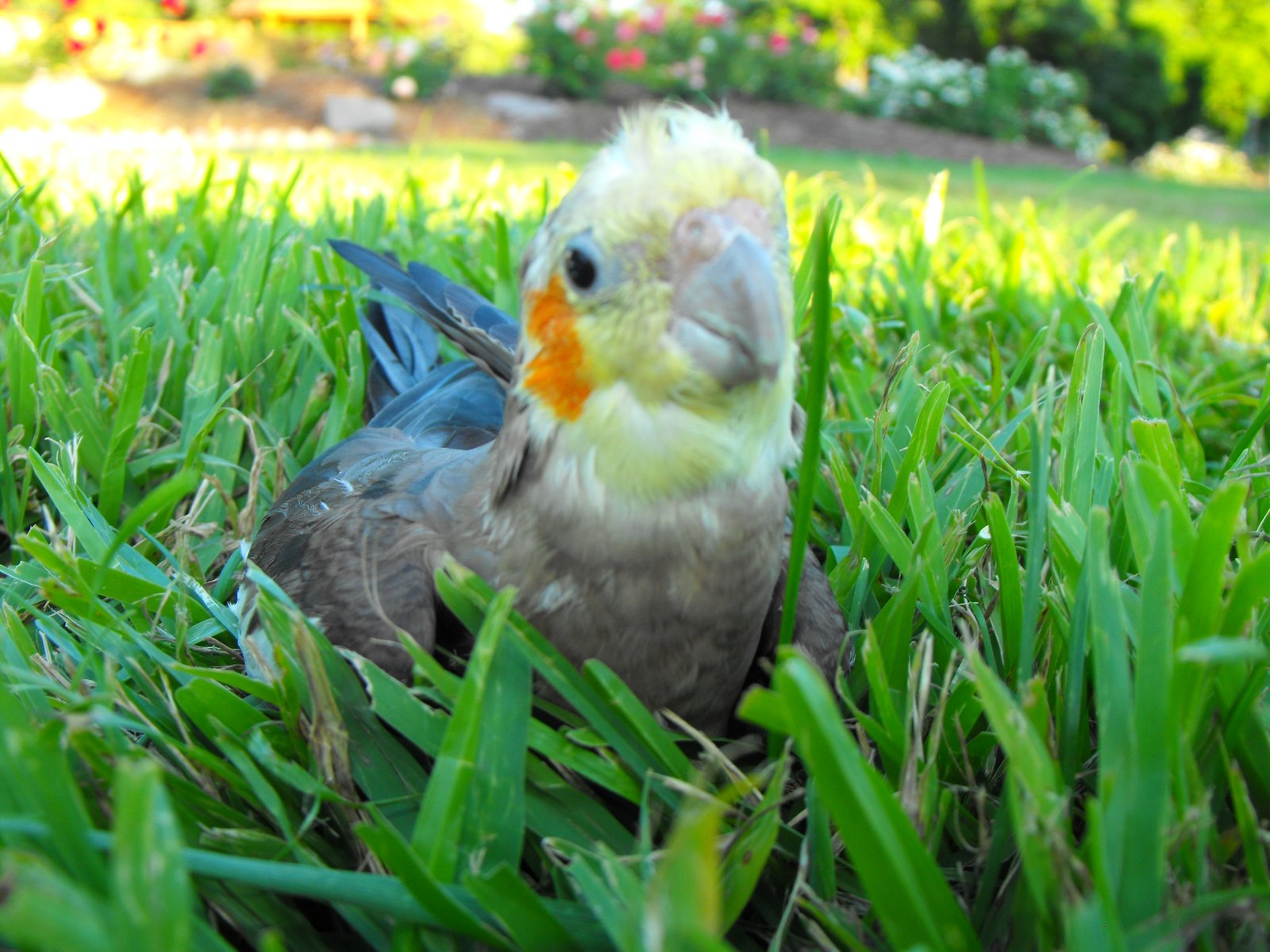
Peanut was my feathery companion for twenty-nine years, from 1985 to 2015 — well over half my lifetime. She stayed for twenty-nine years and she is still forever in my heart.
I still remember her cheerful tweet. When she was gone, one of the ways I honored her was with a song: Birdie Lullaby, which I wrote for her — I sing it, and I play the piano and the flute and the harmonies on it. Making something, with my own hands and voice, is what helped.
That is exactly what we can offer a child. Not an explanation that fixes the sadness, but work that lets the love go somewhere.
The Montessori way to begin
Follow the child. Offer the ideas below and let the child choose one — or none, for now. Choosing nothing is also a choice.
Use honest, simple words. Say the animal companion died and will not come back, rather than “went away” or “went to sleep.” Answer questions truthfully and briefly, and let the child ask again later.
Hands before words. Young children understand through doing. Each way below is something a child can make, plant, carry, or revisit with their hands.
Let it take time. A child may return to the same activity many times. Repetition is part of how children learn, and part of how they heal.
The adult prepares, the child leads. Prepare the materials and a quiet space, then step back. Let the child work at their own pace, for as long as they need, and stop when they are done.
Ten ways a child can honor an animal companion who has passed
1. Share a picture or a drawing
Draw your animal companion, or choose a favorite picture of them, and share it — on the Beyond Rainbow Bridge page, on a classroom wall, in a special place at home, or with family. Under it, write your animal companion’s name and one thing you loved about them.
A drawing gives a child something true to say before they have the words for it: this is who they were, and this is what I loved.
2. Tell and collect stories
Tell a favorite story about your animal companion out loud. Grown-ups can write down the child’s words exactly as they say them.
Keep the stories in a memory jar or a small book the child can open whenever they want to remember. The child’s own words, kept as they said them, matter more than a polished version written by an adult.
3. Write a letter, a poem, or a song
Write a letter to your animal companion saying thank you, or saying what you miss. Older children may want to write a poem or a song instead.
Peanut’s own story began with a lullaby — Birdie Lullaby, written for her. A song does not have to be performed for anyone. It can be made just for the one who is gone, and for the child making it.
4. Make a memory book
Gather photos, drawings, and stories into a scrapbook or journal that belongs to the child.
One good page to include is “ten good things” about your animal companion — ten things they did that made you happy. That idea is modeled on The Tenth Good Thing About Barney by Judith Viorst, a book worth reading together as well.
5. Make a memory box
Decorate a box and keep special things in it: a collar, a favorite toy, a feather, photos, drawings, and the stories from the memory jar.
Keep the box where the child can reach it. A child can open it, sort through it, hold each thing, and put it away again whenever they need to. That opening and closing, repeated over time, is the work.
6. Plant something living
Plant a tree, a flower, or a small garden in your animal companion’s honor, and care for it over time. Name the plant for your animal companion if you like.
Watering, weeding, and watching something grow teaches the cycle of life in a concrete, hopeful way — not as a lesson an adult explains, but as something a child tends with their own hands, day after day.
7. Paint a memory stone
Paint a smooth stone with your animal companion’s name, a paw print, or a heart, and place it in a garden, by the planting, or in a memory rock garden.
Stones are good for small hands, and they last a long time. A stone gives grief a place to be: a child can visit it, touch it, and leave it there when they walk away.
8. Hold a small goodbye ceremony
Gather family or classmates for a few minutes. Share one memory each, read a poem, sing a song, or light a candle.
Let the child help plan it and choose what happens. Simple is fine. A ceremony a child helped shape means more than a larger one arranged entirely by adults.
9. Read a story together
Read a picture book about losing an animal companion together, slowly, and let the child ask questions. Good starting points are:
- The Tenth Good Thing About Barney by Judith Viorst
- I’ll Always Love You by Hans Wilhelm
- Dog Heaven and Cat Heaven by Cynthia Rylant
Read at the child’s pace. Stop when they want to stop, answer what they actually ask, and expect to read the same book again. Peanut’s Song, the children’s companion book to Birdie Lullaby, will join this shelf when it is published.
10. Do a kindness in your animal companion’s name
Honor your animal companion by caring for other living things: fill a bird feeder, help at an animal shelter, donate a toy or food to animals waiting for homes, or be gentle and helpful to another child who is sad.
This is the Montessori way at its heart. Love does not end when an animal companion dies. It continues when it is given away.
For parents and teachers
Expect questions to come in small pieces, over days or weeks, not all at once. A child may ask the same question again after you have already answered it. Answer it again, the same simple way.
Feelings may show up as tears, anger, worry, or changes in sleep or play — or as no visible reaction at all. All of these are normal.
Reassure the child clearly that they did not cause the death. Say it plainly, even if they have not said they are wondering.
Keep the memory objects — the book, the box, the drawing, the stone — where the child can reach them. A memorial a child can return to, touch, and put away again supports them better than one kept out of reach for safekeeping.
And if sadness, or changes in sleep, appetite, or school, last and grow rather than easing, seek extra support from a counselor or a hospice children’s program. Asking for that help is part of caring for the child, too.
On Peanut’s own page, Professional Petting Bird, there is more to help: Peanut’s stories, her song Birdie Lullaby, and a children’s toolkit of hands-on, Montessori-style ways for a child to honor an animal companion who has passed — made for parents and teachers to use together with a child.
Peanut 1985–2015
For more of Peanut’s story, visit Professional Petting Bird, hear Birdie Lullaby, and see Beyond Rainbow Bridge, where families share pictures and stories of animals they have loved and lost.
Peanut’s coloring pages are free to print: Download Peanut’s coloring pages (PDF)




Leave a Reply