A three-part card is a small, complete lesson in how a child takes in the world. For every animal there are three cards. One card holds the picture and the word together—that is the control. One card holds the picture alone. One card holds the word alone. The child lays out the control cards, matches each picture to its control, then matches each word, and then checks the whole row against the control cards. If a word sits under the wrong animal, the control shows it. I do not correct the work. The material does, and the child learns to trust their own eyes.
That is the philosophy underneath the cards. Montessori built her materials so the child could work alone and know, without an adult’s say-so, whether the work was right. She called it the control of error. A child who can check their own work is free in a way a corrected child is not—free to repeat the lesson twenty times, free to get it wrong in private and right in their own time. The three-part card also gives the child the exact name of a real thing. Precise words are a form of respect. The child’s mind is taking in language at a rate it never will again, and it deserves the true names of things.
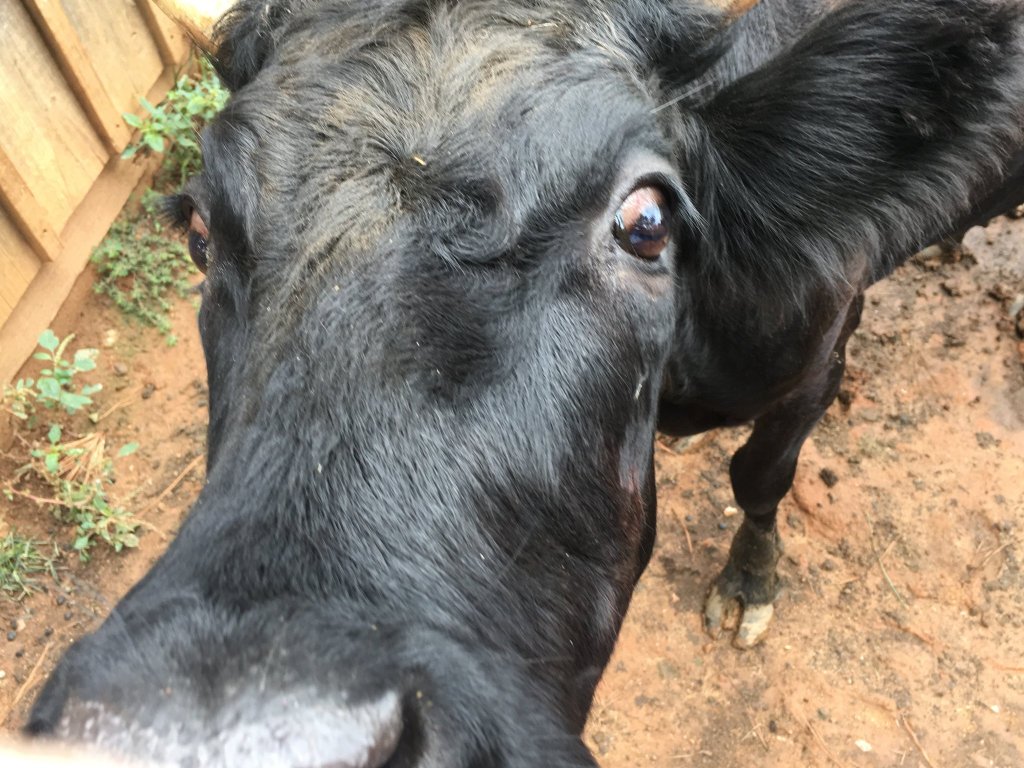
The pictures are photographs—real animals, taken from life, including my own photographs of the farm animals in this set. That is deliberate. A young child is still sorting out what is real and what is pretend, and a cartoon hen with eyelashes does not teach what a hen is. A photograph tells the truth: this is the animal’s actual face, its actual feathers, its actual feet. Imagination has its place, and it comes later. First the child needs the real world, clearly seen. Imagination built on facts has somewhere solid to stand.
People ask why the word cards are there at all, when the child cannot read yet. The word is there because reading does not start the day a child sounds out a word. It starts much earlier, in the hand and the eye. A child who cannot read can still match the word card to the word on the control card, letter shape by letter shape, the way they match the pictures. The word becomes a pattern they know by sight and by touch long before they can say what it spells. And the word is read aloud—by me, by an older child—so the child hears the exact name while their hands hold it. When reading does come, it does not arrive as a stranger. The words are already familiar. They have been part of the picture from the beginning.
Print the set on card stock if you can, and cut the picture and word cards apart, leaving the control cards whole. Start with three or four animals the child already knows by sight, and add the rest as the first ones become easy.
The set is free, here. It is also on the Free Printables page: https://montessoriphilosophy.blog/free-printables/




Leave a Reply